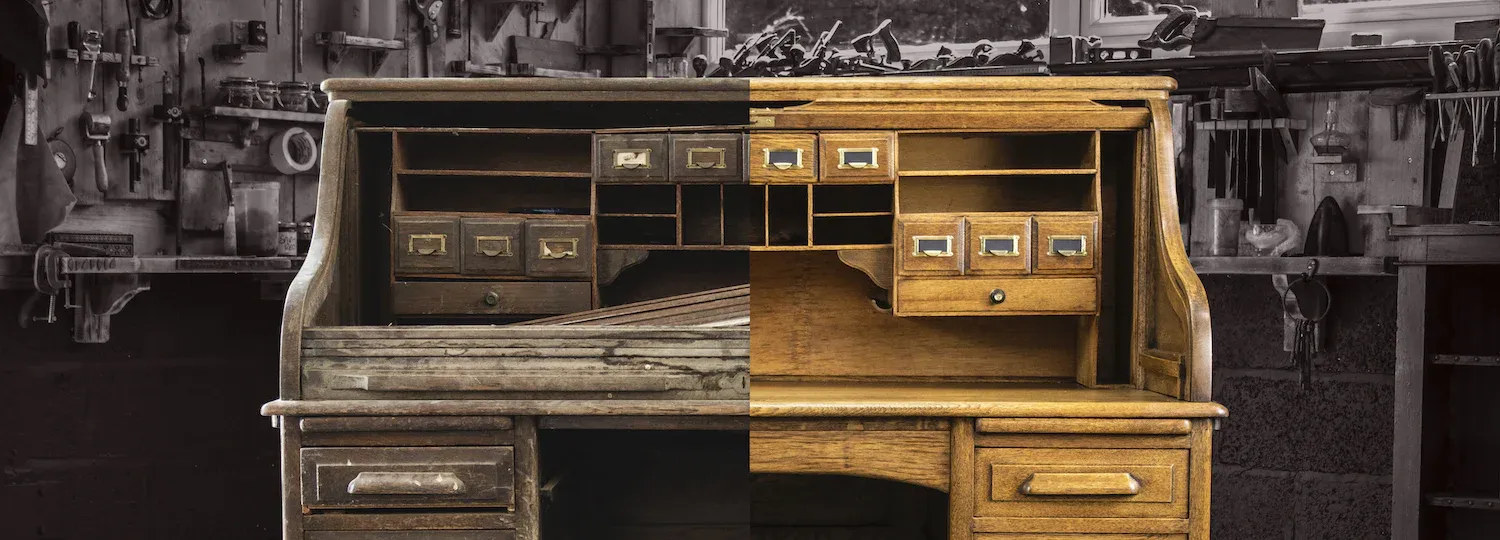
Understanding Antique Veneer Composition and Common Issues
Antique veneer is a thin layer of wood that has been skillfully sliced and glued onto a core surface, usually made of a different type of wood or engineered material. Typically, artisans use hardwood species like mahogany, walnut, or oak, giving furniture and decor pieces an elegant finish without using solid wood. This construction allows for beautiful patterns and textures while being more cost-effective. However, the beauty of veneer can be deceptive, masking underlying issues that can affect its integrity and durability. To appreciate vintage furniture, it’s vital to understand both its composition and the challenges it faces.
Common veneer problems usually stem from environmental factors or improper care. Over time, homeowners might notice peeling sections, discoloration, or even significant cracks. Peeling often indicates that the adhesive has failed, causing layers to separate. Discoloration can arise from exposure to light, moisture, or harsh cleaning products, leading to an unappealing appearance. Additionally, chips and scratches can occur from general wear and tear. Recognizing these issues early can prevent further deterioration and costly repairs.
Identifying Different Types of Veneer Damage
Veneer delamination is when the layers of veneer separate from themselves or from the underlying wood. This issue can manifest in small areas, gradually spreading if left untreated. You might find bubbles, wrinkles, or gaps that ruin the smoothness of the surface. Addressing delamination promptly is crucial to maintaining the aesthetics of antique furniture. You might wonder how to detect this problem early on; simple visual inspections can help you catch issues before they escalate.
Water damage is another significant concern for antique veneer. Signs often involve discoloration, warping, or soft spots, particularly near joints or seams. If left unaddressed, moisture can penetrate the veneer, leading to more extensive and irreversible harm. Checking for signs of water staining can provide you with timely warning signs. Have you ever noticed small, dark spots or areas that feel spongy to the touch? Those are key indicators of water damage.
Cracking and splitting are common issues found in antique veneer, especially in older furniture. These problems usually arise from sudden temperature fluctuations or excessive dryness. When wood loses moisture, it shrinks, causing splits and cracks to form. You may typically see these cracks radiate from the edges toward the center, which can significantly detract from the furniture’s visual appeal. Recognizing the patterns of fissures can help you assess the severity of the damage.
Regular Maintenance Practices for Antique Veneer
Incorporating regular maintenance practices can extend the life of your antique veneer. Cleaning is a vital first step, and it requires gentle techniques to ensure no harm comes to the surface. Use a soft, dry cloth to remove dust and dirt, avoiding abrasive materials that might scratch the veneer. For more rigorous cleaning, consider a damp cloth with mild soap, but ensure it is not saturated. Water is the enemy of veneer, so keep it minimal.
Polishing and protecting the veneer surface is another essential maintenance step. Applying a high-quality polish helps restore shine and protect against wear. Depending on your preferences, you can choose wax-based polishes for a natural finish or silicone-based ones for added protection against moisture. Whichever you select, using it sparingly is key, as too much product can build up and cause haze. Regular polishing can bring back the warm tones of antique wood, showcasing its rich character.
Lastly, controlling the environmental impact on your furniture is critical for long-term preservation. Keeping the humidity levels within an optimal range (around 40-50%) can prevent issues related to moisture and dryness. Avoid placing your veneer furniture in direct sunlight or near heat sources, as fluctuations in temperature can cause warping and cracking. Protecting the pieces in your home starts with understanding their surroundings.
Repairing Common Antique Veneer Problems
Addressing veneer delamination requires specific steps to restore the bond between the layers. First, gently lift the peeling veneer with a putty knife to avoid breaking it. After that, apply a suitable wood glue under the veneer and press it back flat. You may use weights or clamps to hold it in place while the glue dries. It’s essential not to rush this process. Patience ensures that the repair will be secure and long-lasting.
For minor cracks and chips, repair techniques can vary based on the severity of the damage. If you notice small chips, you can fill them in with wood filler that matches the veneer color. Once dried, gently sand the area to create a smooth surface. For larger cracks, consider applying a thin veneer patch over the damaged area for a seamless look. These simple fixes can rejuvenate your antique pieces and help them retain their historical charm.
When treating water-damaged veneer, a careful approach is necessary. Start by identifying the extent of the damage, as some cases may require more intricate techniques. You can use a soft cloth to dab at any excess moisture and then let the veneer dry completely. If warping occurs, it may take time for it to return to normal. In some instances, you might need to re-glue the veneer or even replace sections. Being proactive about these repairs can save your furniture from further deterioration.
DIY Solutions for Veneer Preservation
Creating a veneer-friendly environment starts with understanding how to minimize risks. You can keep the environment stable by regulating temperature and humidity levels. Investing in a dehumidifier can be beneficial, especially in areas with lots of moisture. Additionally, consider positioning antique furniture away from windows or vents to avoid direct sun exposure or drafts. These simple changes in your living space can significantly enhance the lifespan of your veneer pieces.
Using common household items, you can create effective DIY solutions for maintaining and preserving your veneer. For instance, a mix of olive oil and vinegar can serve as a natural polish. This blend cleans and adds luster to the surface, giving it a refreshing look. Additionally, using a mixture of water and dish soap with a soft cloth can provide a gentle cleaning solution. The key is to confirm that any DIY mixture is safe for wood surfaces. Why not experiment with natural ingredients to find what works best for your furniture?
Home-made restoration mixtures can also be handy for tackling specific issues. For instance, a simple wax mixture can work wonders for minor scratches and wear. By melting equal parts of beeswax and turpentine, you create a protective seal for the veneer. This homemade blend can enhance the surface while providing much-needed moisture. Such solutions not only save money but also allow you to manage your antiques with care and love.
Preventive Measures for Long-Term Veneer Care
Establishing a regular inspection schedule can be an effective way to catch potential issues early on. Taking the time to evaluate your veneer pieces every few months allows you to identify problems like minor cracks or discoloration before they worsen. Make it a habit to look closely at both the visible and hidden areas. This practice ensures you remain proactive about preserving your antiques. Wouldn’t it feel great to maintain the beauty of your cherished furniture effortlessly?
Implementing protective measures against sunlight and humidity is crucial for long-term care. Consider using UV window films or curtains to shield your furniture from harsh rays. Regularly rotating furniture or placing tablecloths can prevent uneven fading caused by exposure to direct light. To tackle humidity, you can use moisture absorbers or silica gel packets within your storage areas. Establishing these precautionary steps can help maintain the overall quality and appearance of your veneer pieces.
Securing antique veneer furniture during transport is another area that requires careful planning. Ensuring proper wrapping and padding can prevent scratches or significant damage while moving. Utilize bubble wrap or furniture blankets to safeguard delicate surfaces. Consider using sturdy boxes or crates during transit. These steps not only protect the veneer but also guarantee that your treasures arrive at their destination in good shape.
Tools and Products for DIY Veneer Maintenance
When it comes to veneer repair, having the right tools can make all the difference. A basic toolkit should include clamps, wood glue, and putty knives. These tools can help make small repairs manageable and more straightforward. Additionally, investing in soft cleaning cloths and sponges is essential for effective maintenance. Rather than using harsh chemicals, you can ensure that your cleaning supplies cater to the delicate veneer.
Choosing appropriate adhesives and sealants is crucial for effective repairs. Look for wood glue that is specifically designed for veneers, as it provides a strong bond without causing damage. You can also find clear drying adhesives that work wonders for less visible repairs, ensuring aesthetics remain intact. Always read product labels to make sure they are safe for your particular type of veneer. This attention to detail pays off greatly in the end.
Finally, selecting the best polishes and cleaners for veneer can enhance your furniture’s longevity. Look for products specifically formulated for wood since these often contain ingredients that nourish while providing protection. Many brands offer natural options that are safer and environmentally friendly. Taking care to read through product reviews can help you determine the most effective solutions available for your antique veneer. These simple tools and products can empower you to maintain and care for your cherished pieces.
When to Seek Professional Help
While DIY solutions can address many issues, knowing when to seek professional help is crucial. Severe damage beyond DIY repair often requires expert intervention. If you notice extensive delamination, structural issues, or deep water damage, it’s wise to consult a professional restorer. These experts possess specialized tools and knowledge that can perform the repair safely and effectively. Have you encountered cases where your repair attempts haven’t yielded results? That might be the time to consider professional help.
Professional restoration techniques can provide solutions that are often beyond the reach of most DIY enthusiasts. Experts have access to advanced techniques and products that can restore antiques to their original splendor. They can apply methods like vacuum consolidation for severe delamination or intricate repairs for lost veneer. Additionally, professionals can often provide protective coatings that ensure long-term durability. Knowing the difference between basic repairs and extensive restoration can prevent permanent damage to your cherished pieces.
Cost considerations for professional services should lead to thoughtful planning. Restoring antique veneer can represent a significant investment, so it’s wise to seek multiple quotes before proceeding. Always ask for a detailed estimate that outlines potential costs for labor and materials. This understanding can help you make informed decisions regarding your delightful antiques. It may be more economical in the long run to invest in professional care for invaluable family heirlooms.
Are you looking for professional services? Find more details here:
antique furniture refinishing